

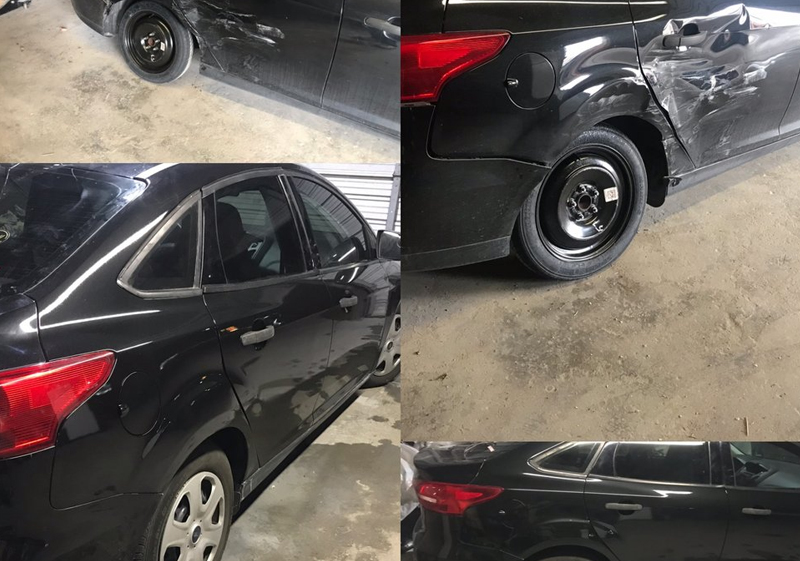
Dent Repair in Houston, TX
Auto Body Collision delivers expert paintless dent repair (PDR) and traditional auto body dent restoration services in Houston, TX. Whether your vehicle has suffered parking lot door dings, severe Texas hail damage, or minor structural impact dents, fixing sheet metal damage promptly protects your vehicle's resale value and prevents moisture from seeping into raw metal surfaces, which can trigger long-term rust and paint peeling.
Comprehensive Dent Repair & Surface Restoration
Understanding Paintless Dent Repair (PDR) vs. Traditional Repair
Paintless Dent Repair (PDR) is an advanced, non-invasive auto body technique. Technicians use specialized LED lighting, reflective boards, and precision steel rods to gain access behind the damaged panel. By applying controlled pressure from the reverse side, the metal is gradually worked back into its precise factory contour.
Because PDR leaves the original factory paint untouched, it avoids the need for sanding, filling, or color blending—maintaining the vehicle’s original factory paint warranty and structural integrity.
When a dent involves stretched metal, sharp creases, or damaged paint surfaces, traditional repair is required. This process involves reshaping the panel, applying specialized body fillers to recreate original body lines, laying down rust-inhibiting primer, and using digital color-matching technology to blend new paint seamlessly into surrounding panels.
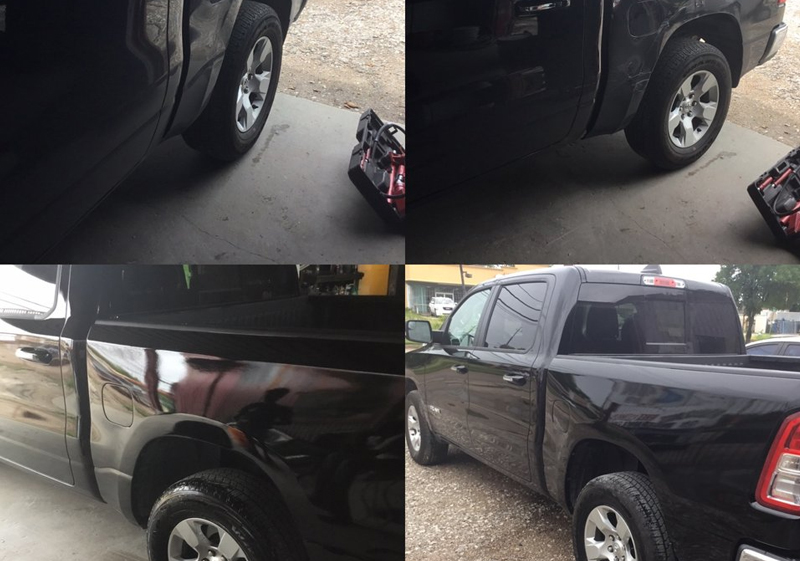
Step-by-Step Dent Repair Process
Initial Assessment & Inspection
Technicians clean the surface and position specialized optical lights over the panel to measure dent depth, examine paint elasticity, and locate optimal rear access points.
Access & Disassembly
To reach the back of the metal panel, interior door cards, tail lights, hood liners, or interior trim are carefully removed as needed.
Precision Repair Execution
For PDR: Technicians use calibrated levers and rods behind the panel—or glue-pulling tabs from the exterior—to massage the dent out without cracking the clear coat.
For Traditional Repair: The area is sanded down, pulled, smoothed with body filler, primed, and prepared for the paint booth.
Color Matching & Refinishing (Traditional Only)
Spectrophotometer technology scans the exact paint code and wear of your car to formulate a matching basecoat and high-gloss clear coat.
Quality Inspection & Reassembly
Panels are evaluated under high-intensity inspection lights to ensure optical clarity, factory body lines, and a smooth finish before trim pieces are reinstalled.
Choosing the Right Fix: PDR vs. Traditional Repair
| Factor | Paintless Dent Repair (PDR) | Traditional Dent Repair |
|---|---|---|
| Paint Condition | Original paint must be completely intact | Applicable even if paint is chipped, cracked, or scraped |
| Dent Profile | Shallow, rounded dings, impact dips, and hail dents | Deep creases, sharp folds, stretched metal, or edge dents |
| Factory Finish | Retains original OEM factory paint finish | Requires sanding, priming, basecoat blending, and clear coating |
| Turnaround Time | Fast (Same-day or 24 hours) | 2 to 5 Business Days |
| Material Cost | Lower overall cost (no body filler or paint required) | Higher cost due to intensive labor, paint, and booth materials |
Frequently Asked Questions
No. PDR requires intact paint and flexible metal. If the paint is cracked, exposed to bare metal, or if the dent sits on a rigid panel seam or edge, traditional repair with filler and refinishing is necessary.
Yes. PDR eliminates the need for expensive paint supplies, body filler, primers, and extensive booth labor, making it significantly more cost-effective than conventional bodywork.
Most standard PDR jobs for single dings or minor hail damage are finished within a single day. Traditional dent repairs involving prep work, body filler, paint blending, and clear-coat curing take between 2 and 5 days.
Yes. Comprehensive auto insurance policies typically cover environmental damage like hail. Filing a hail claim generally does not impact your driving record, though deductible amounts still apply.
Unrepaired dings and dents negatively impact trade-in and resale values during vehicle appraisals. Additionally, if the paint layer suffers micro-fractures, moisture can penetrate the underlying steel and form hidden rust over time.